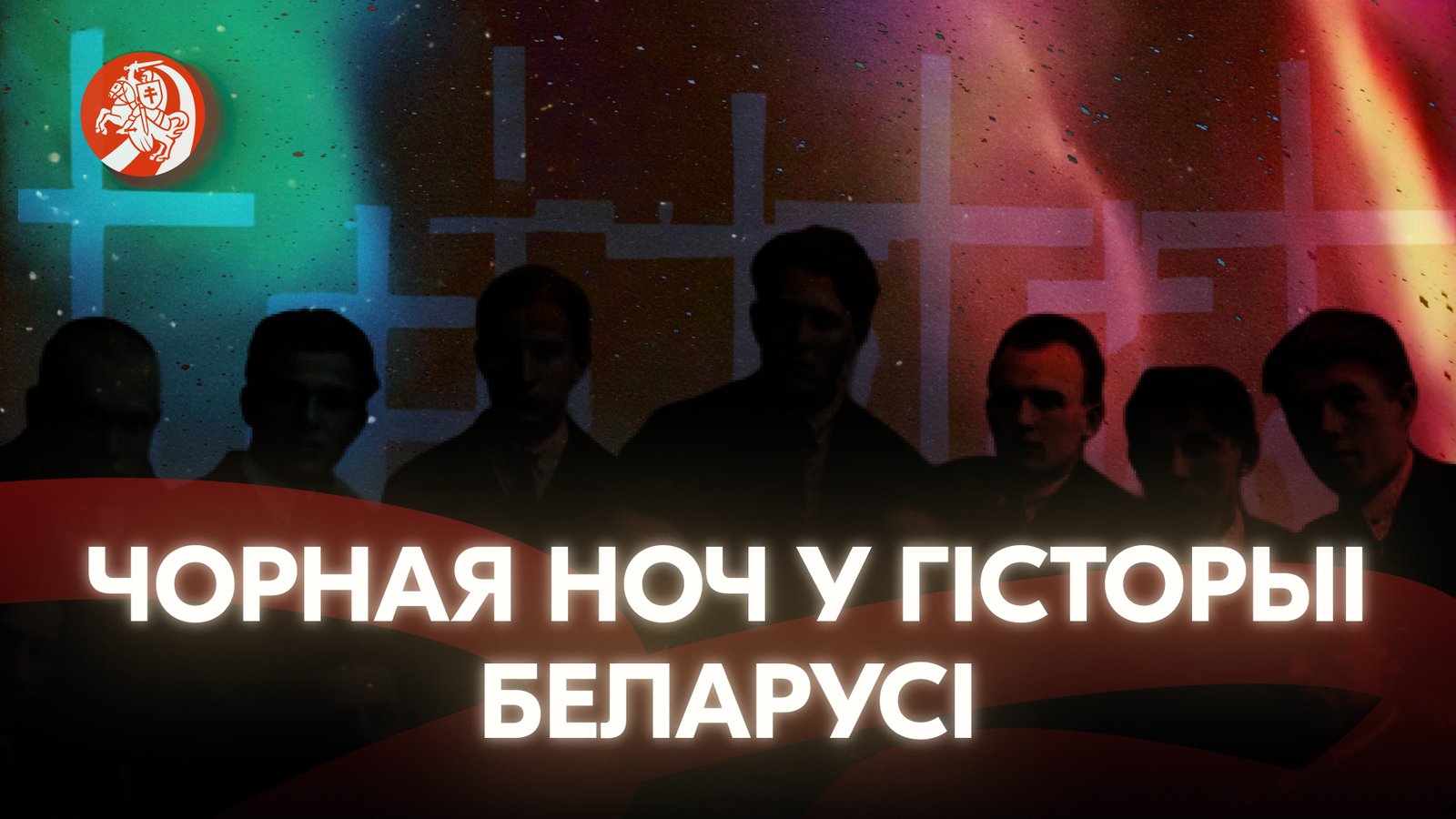


A dark night in Belarusian history. We call it the Night of the Executed Poets. It was never discussed in school, and the authorities carefully concealed the truth about that day. Every year on October 29, Belarusians honor those who were killed and read their poetry. Today, I want to tell you about these people and the events of that night.
On the night of October 29–30, 1937, NKVD officers executed 132 people in Minsk. Among them were poets, writers, scholars, teachers, and members of the intellectual community.
Poet Julij Taŭbin was just 26 years old. Valery Marakoŭ was 28. They had already published books and translated foreign authors. They both had loved ones and were making plans for the future. They could have had decades of life and work ahead of them.
This was a time of mass repression. Stalin’s regime sought to decapitate Belarus by destroying its most talented and educated people. Across the country, people were arrested, sent to labor camps, and killed. Everyone else was taught to live in fear and remain silent. Books by the executed poets were removed from libraries, and their manuscripts were burned. Their names were even erased from textbooks.
Looking back at these events, it is hard not to see history repeating itself. I think about 1937, and I cannot help thinking about Belarus today.
Why is the current regime so afraid of this date? Why were the crosses at Kurapaty — a mass execution and burial site for victims of Stalinist repression near Minsk — torn down? Why ban books again?
In my view, they recognize themselves in this. Today, people in Belarus are still persecuted for their words and beliefs. Cultural figures remain behind bars. People are still being told to keep silent.
But then, as now, those who kill and destroy are wrong about one thing above all. They believed they could erase both the people themselves and the memory of them. Yes, decades have passed. The Soviet Union no longer exists. Some of their works will never be read. We will never learn about many of the ideas and projects they had planned.
But the poems that survived can still be read today. They continue to speak to us. People read them, translate them, and set them to music. We pass these books on to our children.
Their works speak of love, friendship, joy, and anxiety. They express feelings we recognize. Behind every name on the list of those executed was a living person, with their own character, loved ones, and plans for tomorrow.
Try to find a poem by one of the executed poets today. Read it to yourself or to someone close to you. Learn a little about the poet’s life. Perhaps this will be your first encounter with their work, and you will want to read more.
Of course, this will not bring the dead back to life. But today, we can hear their words, learn about their dreams, and share in their joy and pain.