



Resolution on the Release of Political Prisoners Without New Detentions
This resolution, adopted at the New Belarus Conference 2025, calls for the full and unconditional release of all political prisoners, ensuring that the release of some is not accompanied by the arrest of others. It demands an end to repression, torture, and inhuman treatment; access for lawyers and international monitors; an end to forced deportations; and the launch of rehabilitation measures for those who are released. Its central principle is that the release of political prisoners must mark the beginning of the end of political persecution, rather than become part of political bargaining.
View the document:

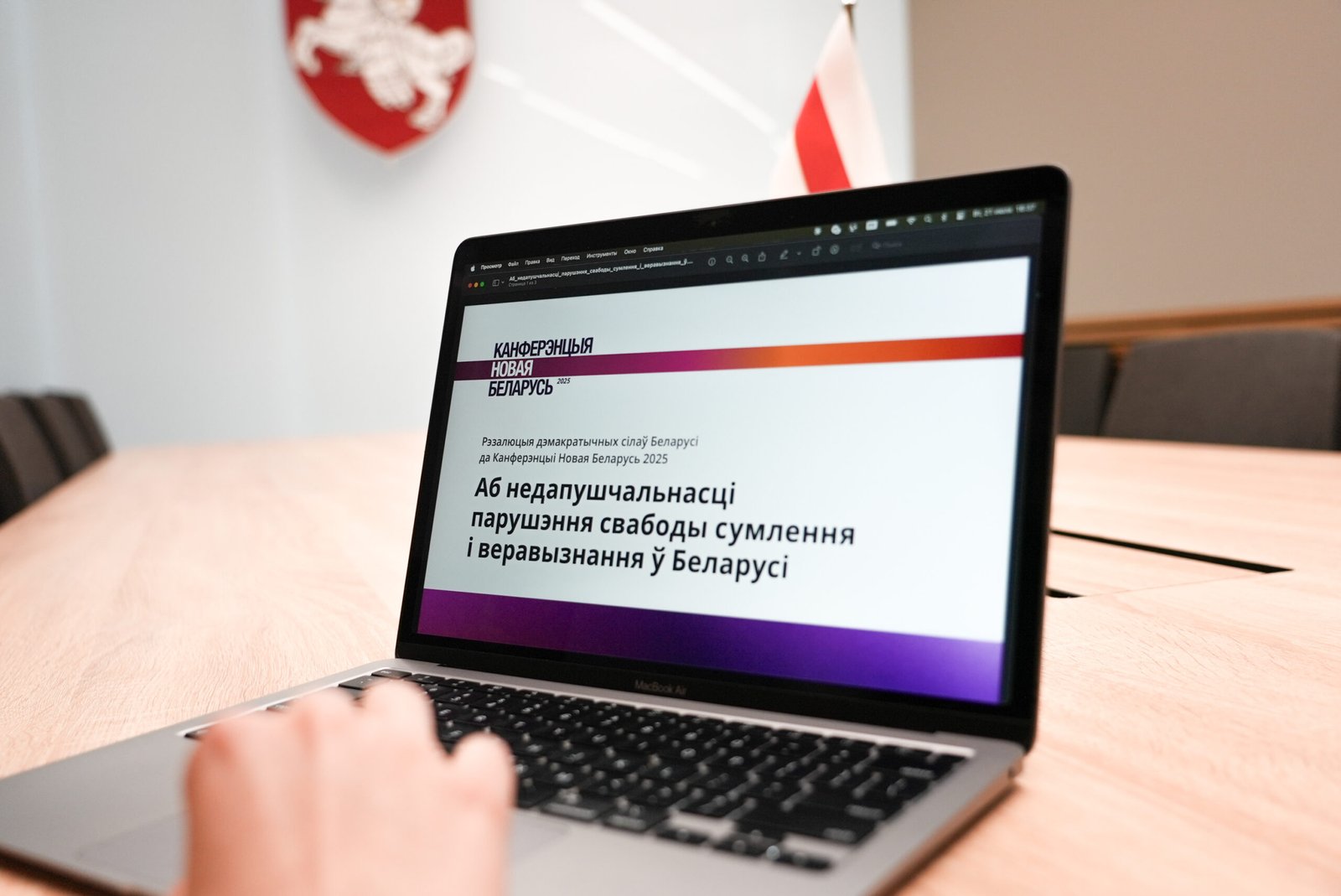
Resolution on the Unacceptability of Violating Freedom of Conscience and Religion in Belarus
This resolution, adopted at the New Belarus Conference 2025, condemns the systematic violation of freedom of conscience and religion, the persecution of clergy, and the denial of legal registration to religious communities. It calls for repealing repressive legislation, releasing clergy imprisoned on political grounds, returning confiscated places of worship, ending censorship and administrative control, and strengthening international monitoring, investigations into violations, and support for persecuted religious communities.
View the document:
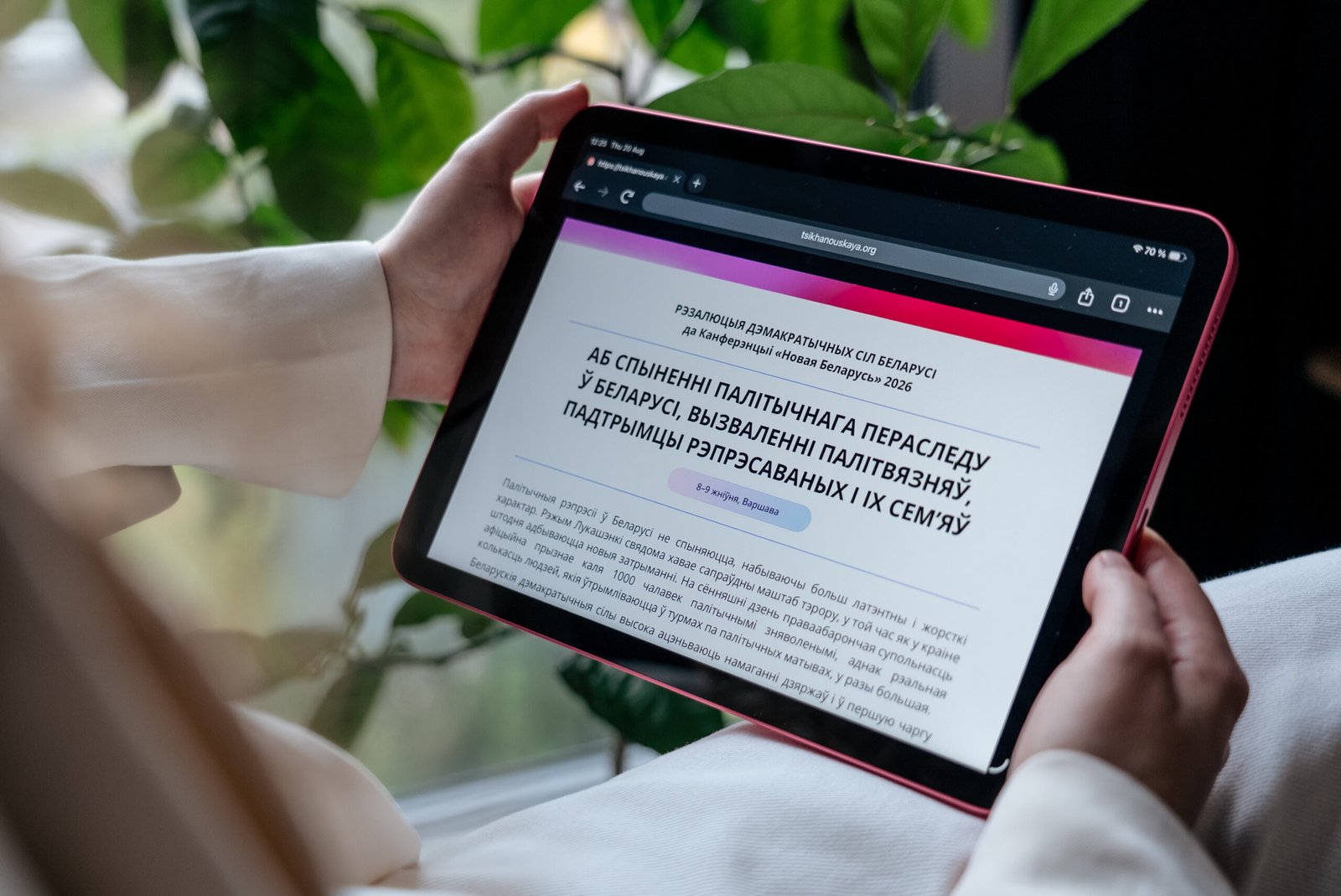
Resolution on Ending Political Persecution in Belarus, Releasing Political Prisoners, and Supporting Those Affected by Repression and Their Families
This resolution, adopted at the New Belarus Conference 2026, states that repression in Belarus is ongoing and affects far more people than the 1,000 political prisoners officially recognized as such. It calls for the full release of political prisoners, an end to the use of prisoners as hostages, the annulment of unlawful convictions, and the rehabilitation of those affected, both in Belarus and in exile. The document calls on partners to maintain pressure on the regime, assist former political prisoners and their families, and document crimes for international justice.
View the document:
Resolution on Countering Transnational Repression and Protecting Belarusians Abroad
This resolution, adopted at the New Belarus Conference 2026, condemns the regime’s transnational repression against Belarusians in exile, including trials and convictions in absentia, abuse of Interpol mechanisms, pressure on relatives, surveillance, and the deportation of released political prisoners. It highlights the risks facing students of the European Humanities University, activists, journalists, and the diaspora. The document supports investigations by the International Criminal Court and calls on host countries not to extradite or deport Belarusians and to issue alternative identity documents.
View the document:

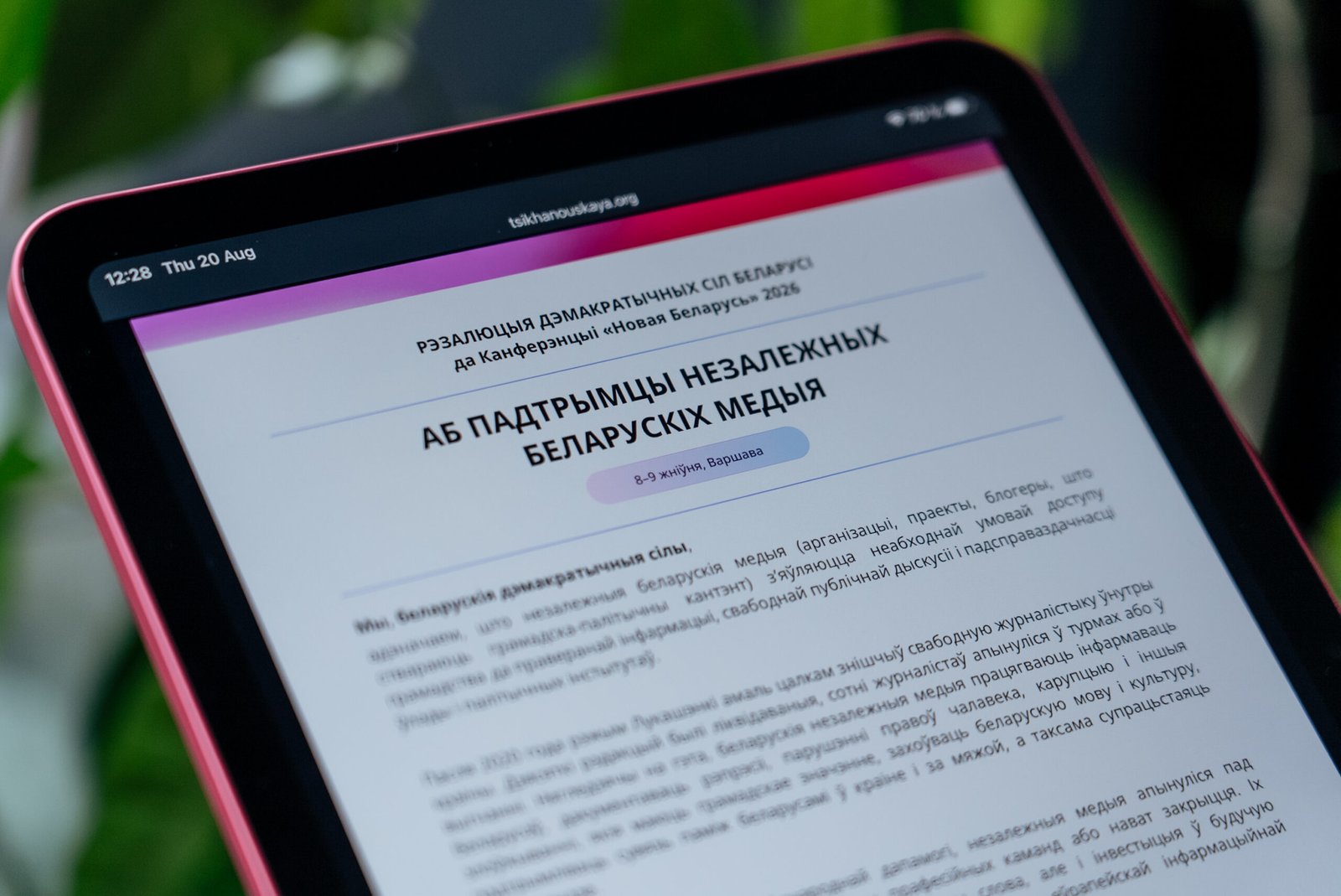
Resolution on Supporting Independent Belarusian Media
This resolution, adopted at the New Belarus Conference 2026, recalls that, since 2020, the regime has crushed independent journalism by shutting down dozens of newsrooms and imprisoning or forcing hundreds of journalists into exile. While the Belarusian media continue to inform the public, document repression, and preserve the Belarusian language and culture, they are losing funding. The document calls for long-term support for independent media while preserving their independence, investment in digital security and investigative journalism, and assistance for journalists and their families.
View the document: