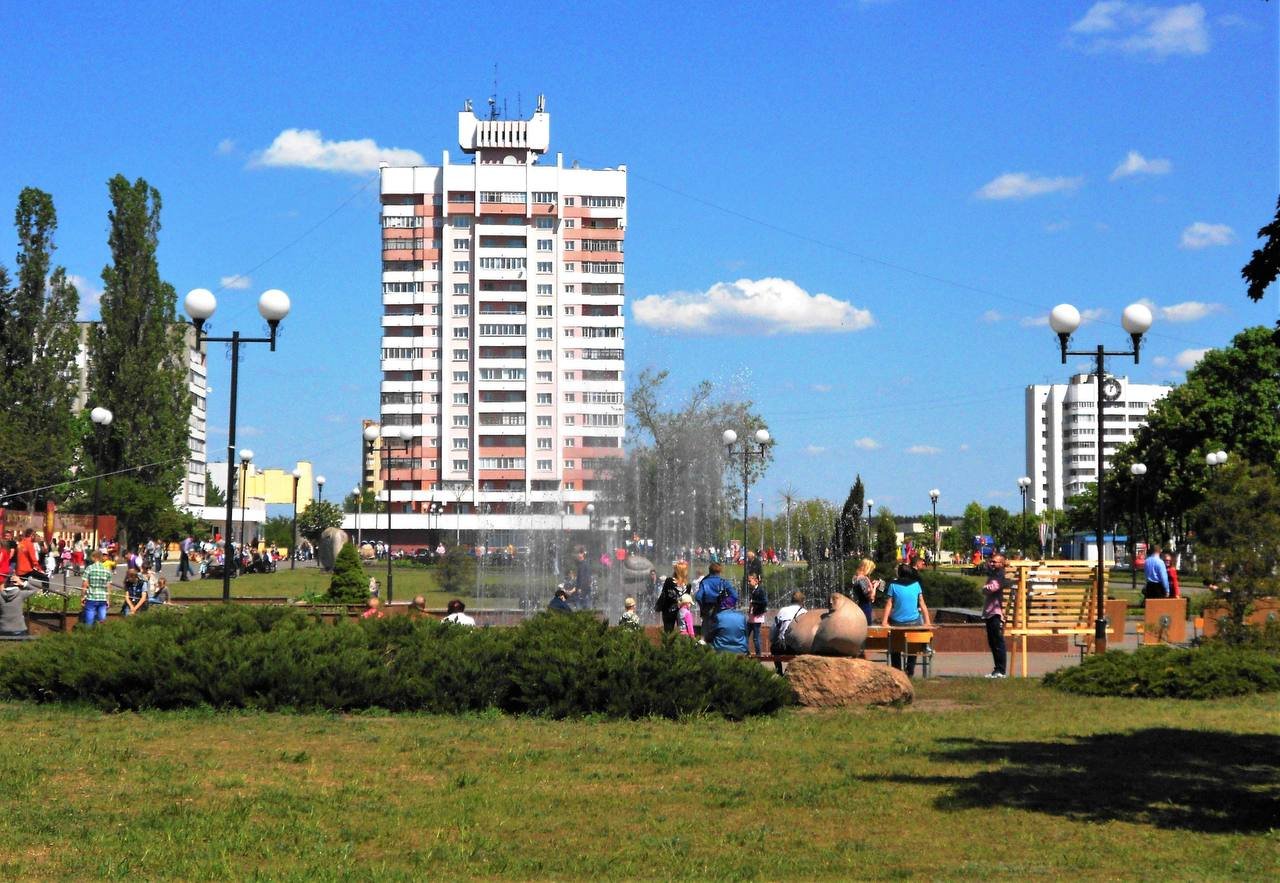




According to Nasha Niva, over the past 10 years, the population of all major cities in Belarus has declined, with the exception of five. Belarusian cities that once attracted people and resources are now losing residents, jobs, and prospects for the future. And this is not “natural decline” but the result of specific political and economic decisions.
What does the data show?
- Svetlahorsk has lost more than 10% of its population. A city with a major industrial enterprise received environmental problems, emergency situations, and fears for health and life instead of development.
- Orsha has also lost around 10% of its residents. Even high-profile state programs failed to deliver results because they remain empty slogans without a free economy and competition.
- Salihorsk has lost 6.5%. Once a leader in wages, it now ranks only fifth. Dependence on a single market and the lack of diversification are taking a toll on the city and its people.
Senior Political Advisor to Sviatlana Tsikhanouskaya, Alexander Dabravolski: “Behind every figure there is a specific family, a decision to leave, lost opportunities, and the feeling that there is no future at home. This situation is a direct result of excessive centralization and dependence on a single ‘partner’. When all money and decisions remain in Minsk, cities and regions are condemned to stagnation”.
Two key decisions can reverse this trend:
- Genuine local self-government, when funds and powers remain at the local level and mayors and city councils are accountable to residents rather than to the vertical of power. Then cities can compete for people through quality of life, environmental standards, jobs, and comfort.
- A European choice for Belarus as an economic strategy. Research shows that integration with the European economic space is not about geopolitics but about new markets, investment, technology, and real jobs. And it is important to understand the difference: these would be markets with purchasing power ten times higher, investments bringing cutting-edge technologies, and jobs with a high culture of work. It is no coincidence that China’s Belt and Road Initiative leads precisely toward Europe via Russia and Belarus.
Belarusians must have a reason to stay at home – not out of coercion but out of hope. And this is possible in a free, democratic country.