
Belarus is Europe’s frontier — not just a “small appendage of Russia” that some portray it as. Today, the country is a source of risks, but tomorrow, it could become the key to stability in the region. The Red Paper helps us understand both the dangers and the potential of Belarus when it comes to embedding it into Europe’s security architecture.
The Red Paper explores six major dimensions where Belarus today acts as a hybrid threat — and where a democratic Belarus could tomorrow become a partner for European states. Why does this matter? Because Europe’s future is decided not only in Brussels or Berlin but also in Minsk — on the border with Ukraine and Poland. We gathered figures, facts, and scenarios to show that this is not about a “small neighbor of Russia” but about one of the critical points of European security.
Military Security
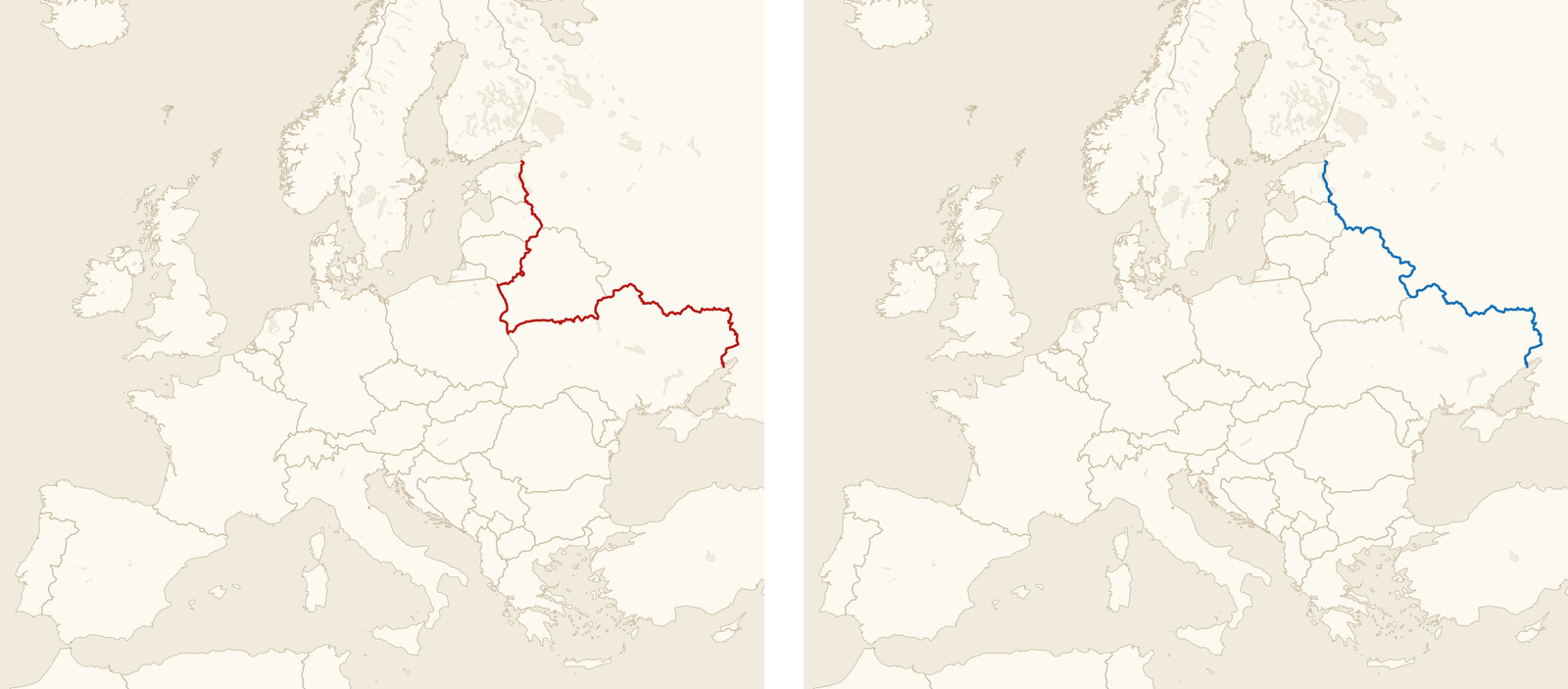
Belarus has been turned into a staging ground for Russian troops. In 2024, defense spending rose to $1.5 billion, and new fortified zones on the borders with Ukraine and Poland show that the regime is preparing not for defense but for offense. In the future, however, a democratic Belarus could cut NATO’s frontline with Russia almost in half.
Energy Security
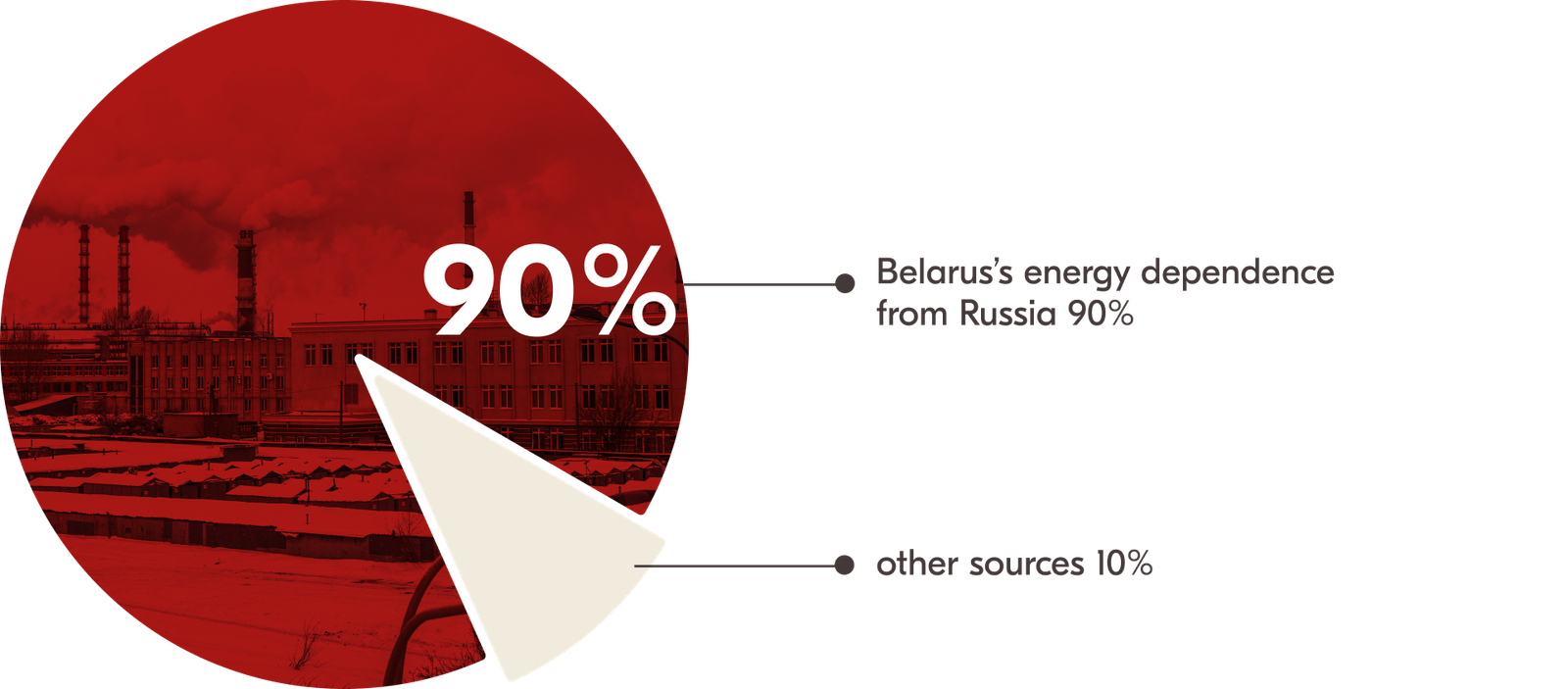
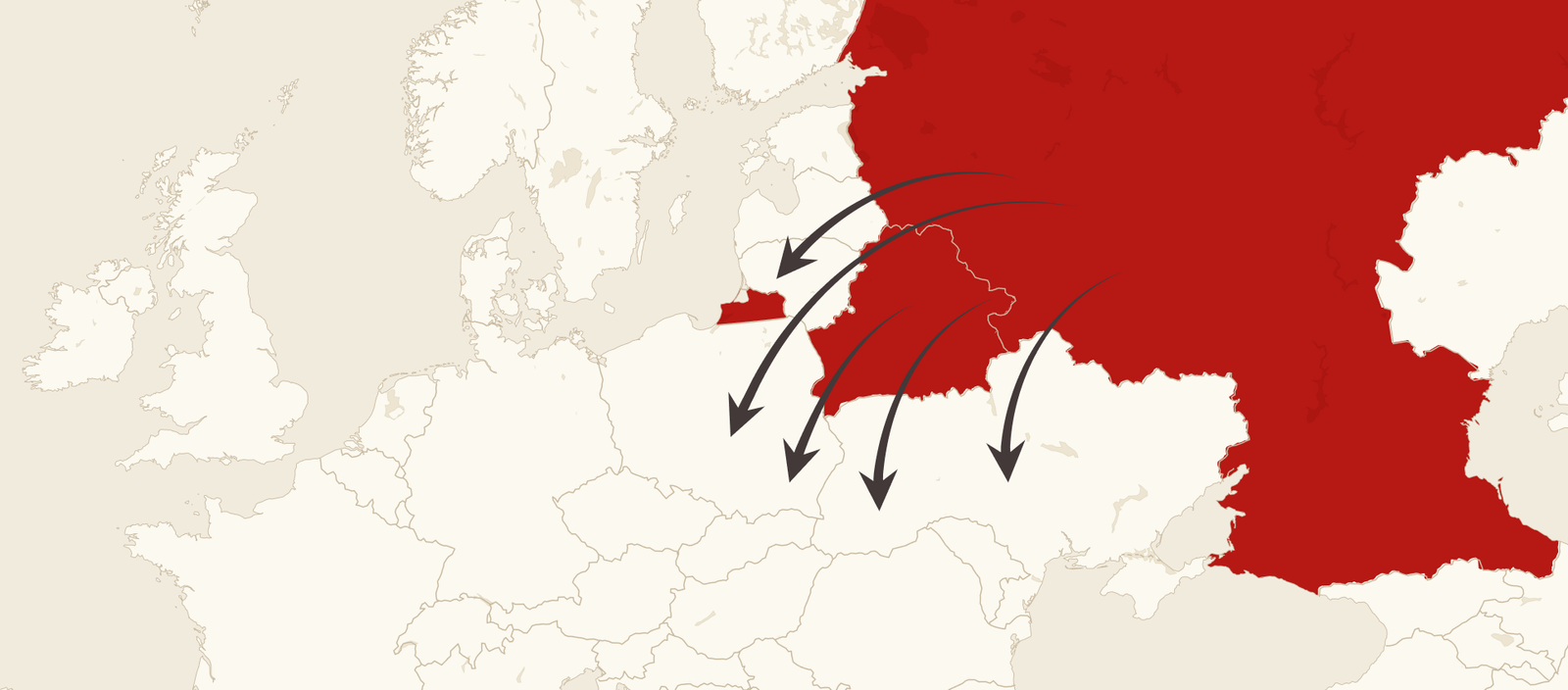
Belarus depends on Russia for 90% of its gas and oil, while its nuclear plant was built with a Russian loan. Yet the country has massive untapped potential in green energy — biomass, hydrogen, and renewables. A democratic Belarus could become a new energy partner for Europe.
Information Security
Propaganda and cyberattacks launched from Minsk and Moscow undermine Europe’s resilience. But by supporting independent media and think tanks, Belarus could shift from being a source of disinformation to becoming part of the European information space.
Economic Security
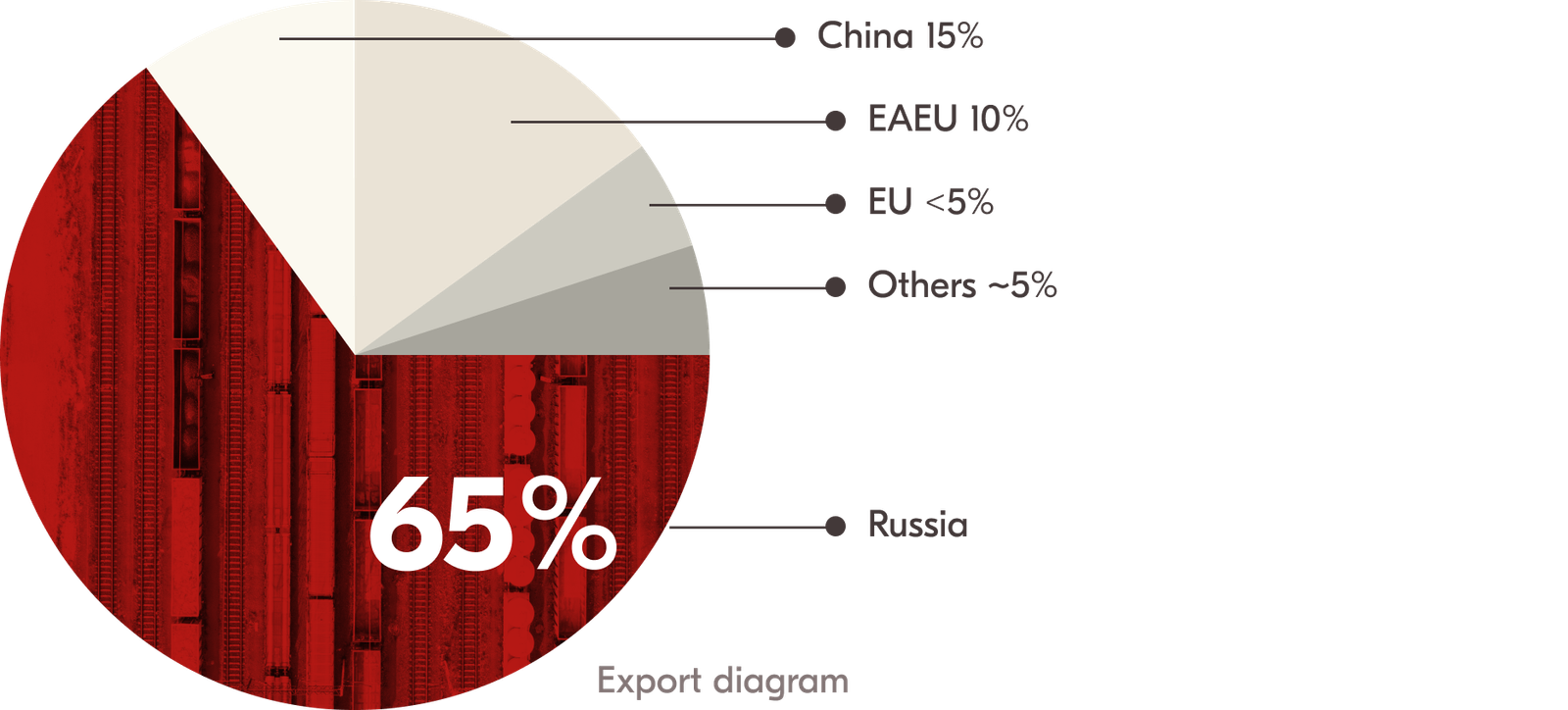
Belarus is currently embedded in Russia’s war economy: over 500 enterprises are working to fulfill the Kremlin’s defense orders. Yet, if there is political will, its industries and logistics could be repurposed for integration into the EU market.
Migration Security
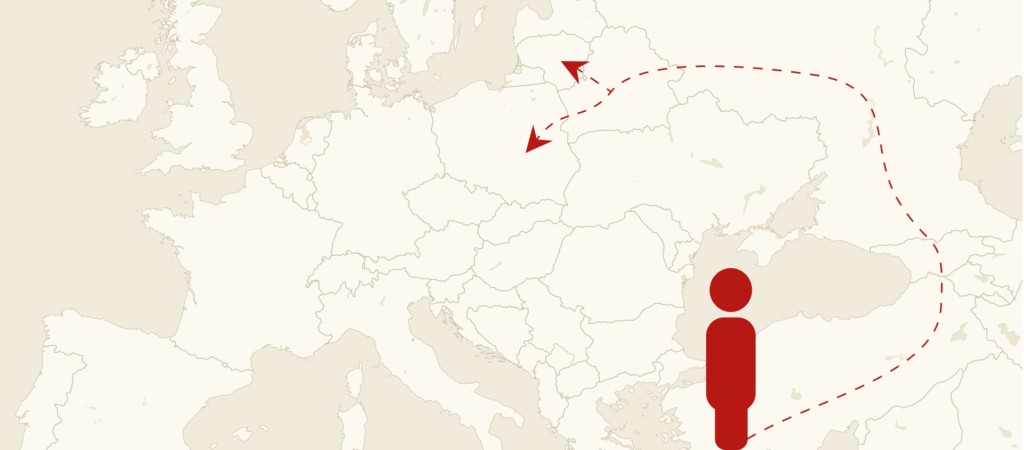
Lukashenka and the Kremlin weaponize people, manufacturing crises at Poland’s and Lithuania’s borders. But Belarus itself could become a country that helps manage migration and support refugees, instead of blackmailing its neighbors with them.
Youth Security
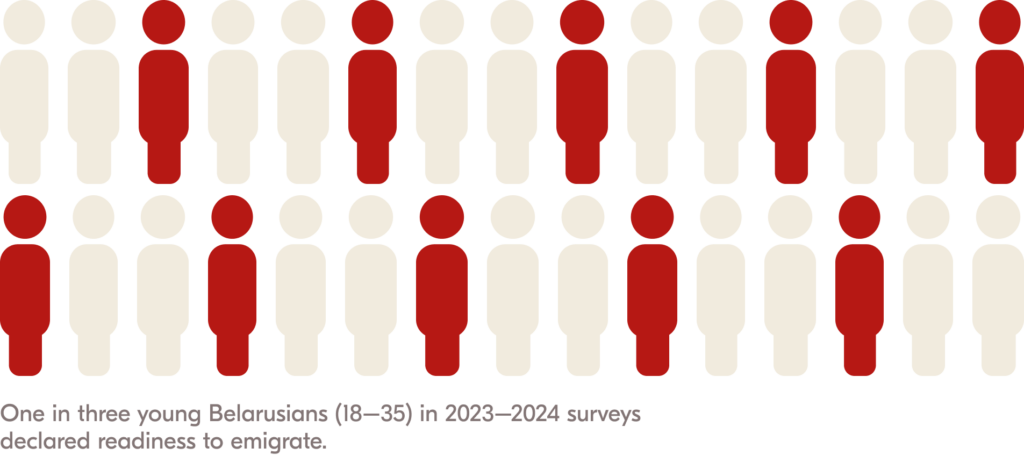
Belarusian youth are split between two realities: one is a generation of exile, repression, and emigration; the other is a generation exposed to propaganda and militarization. Hundreds of thousands have left Belarus. But they hold the key to change — they can become the driving force of democratic transformation and the country’s return to Europe.